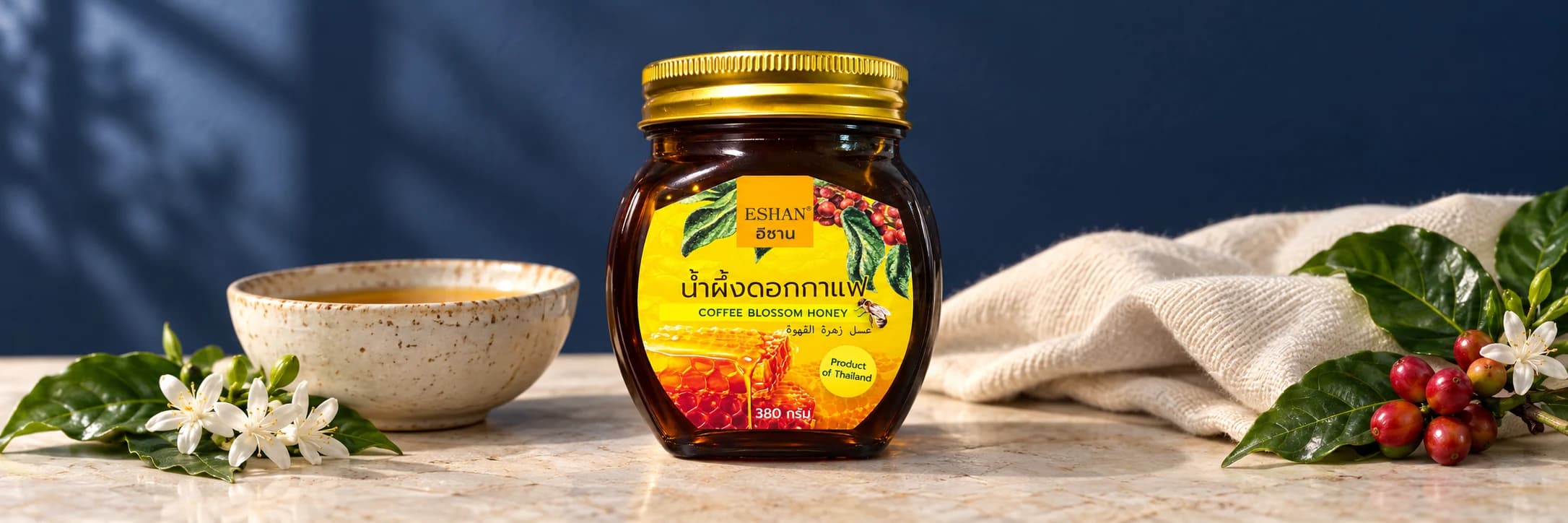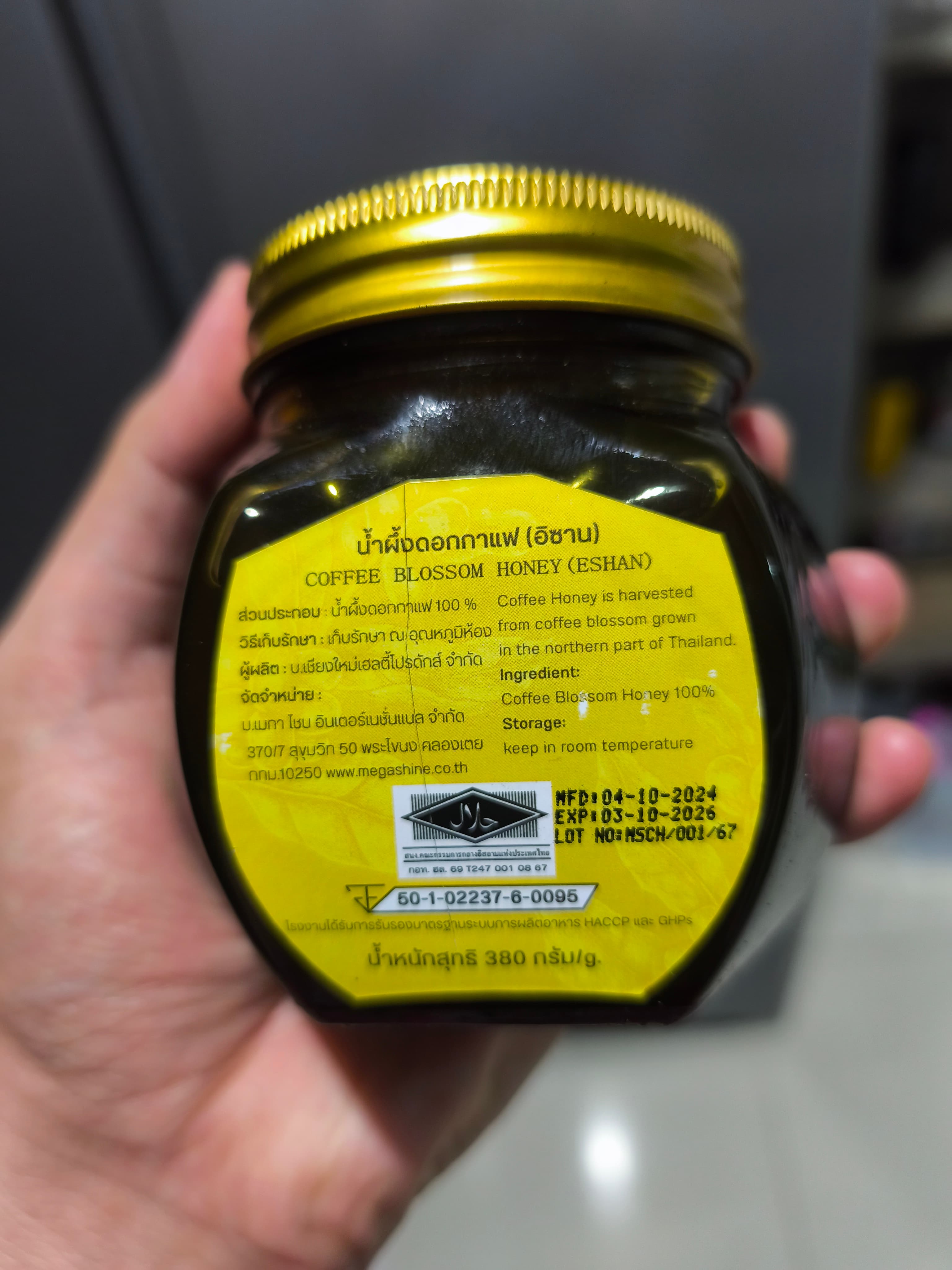
Product selection
How to compare product value beyond the price tag
Bring quantity, useful details, and everyday fit into your comparison, with a simple unit-price example.

Different prices can include different things. A useful comparison begins with understanding what each option offers and how closely it matches your needs. VETRA considers quality and value together. These practical questions help you make a clear comparison for the purchase in front of you, whether you are choosing a small everyday item or considering a larger quantity for your shop.
Set your priorities before comparing options
Write down three requirements, such as the ingredient you want, a size you can store, and the quantity you expect to use. Separate essential requirements from appealing extras. This gives you a consistent reference as you open different product pages, instead of changing your criteria with each new selling point. If an option misses an essential requirement, consider that before its price. The price alone cannot tell you whether it will serve your purpose.
Compare unit prices when products are comparable
Divide the price by the quantity. In an illustrative example, a 200 g item at 160 baht costs 0.80 baht per gram, while a 380 g item at 266 baht costs 0.70 baht per gram. These are example figures, not VETRA prices. Before using the result, check whether the ingredients, product type, and included items are comparable. A unit price answers a quantity question; it does not settle every question about suitability or quality.
Choose a quantity that fits your actual use
Consider how often you will use the product and how much storage space you have. A large pack with a lower unit price may exceed the needs of someone trying an item for the first time. For a shop, consider how the pack quantity fits your intended use or display. Starting with an amount you can assess helps you plan later purchases from experience, instead of choosing a larger quantity solely because of its unit price.
Identify the benefit of an added detail
When one product costs more, look for differences in ingredients, materials, packaging, or the contents of a set. Then ask whether those differences are useful to you. Packaging suitable for a gift may matter on one occasion while adding little to a routine purchase for home. Explaining the benefit in your own words helps you choose the features you value without assuming that a higher price automatically means a better fit for every situation.
Review the details of the actual order
Check whether the prices you are comparing cover the same quantity and which delivery details still need to be considered. Ask about anything that affects your choice, such as the number of items in a box or the expected dispatch timing. Use current information for the proposed order rather than an old photograph or details from a different purchase. A complete description of the order makes it easier to compare what you would receive.
Reduce the comparison to what matters
Make a short table or write three notes: what you need, what each option provides, and which questions remain unanswered. You may find that two products have similar features but one comes in a more suitable size. Value then becomes a choice you can explain. If you need supporting information from VETRA, share the product name, size, and quantity you are considering so the conversation begins with the same set of details.