Product knowledge
How to read a product label before you buy
Make sense of names, quantities, ingredients, and instructions, then turn missing details into useful questions.
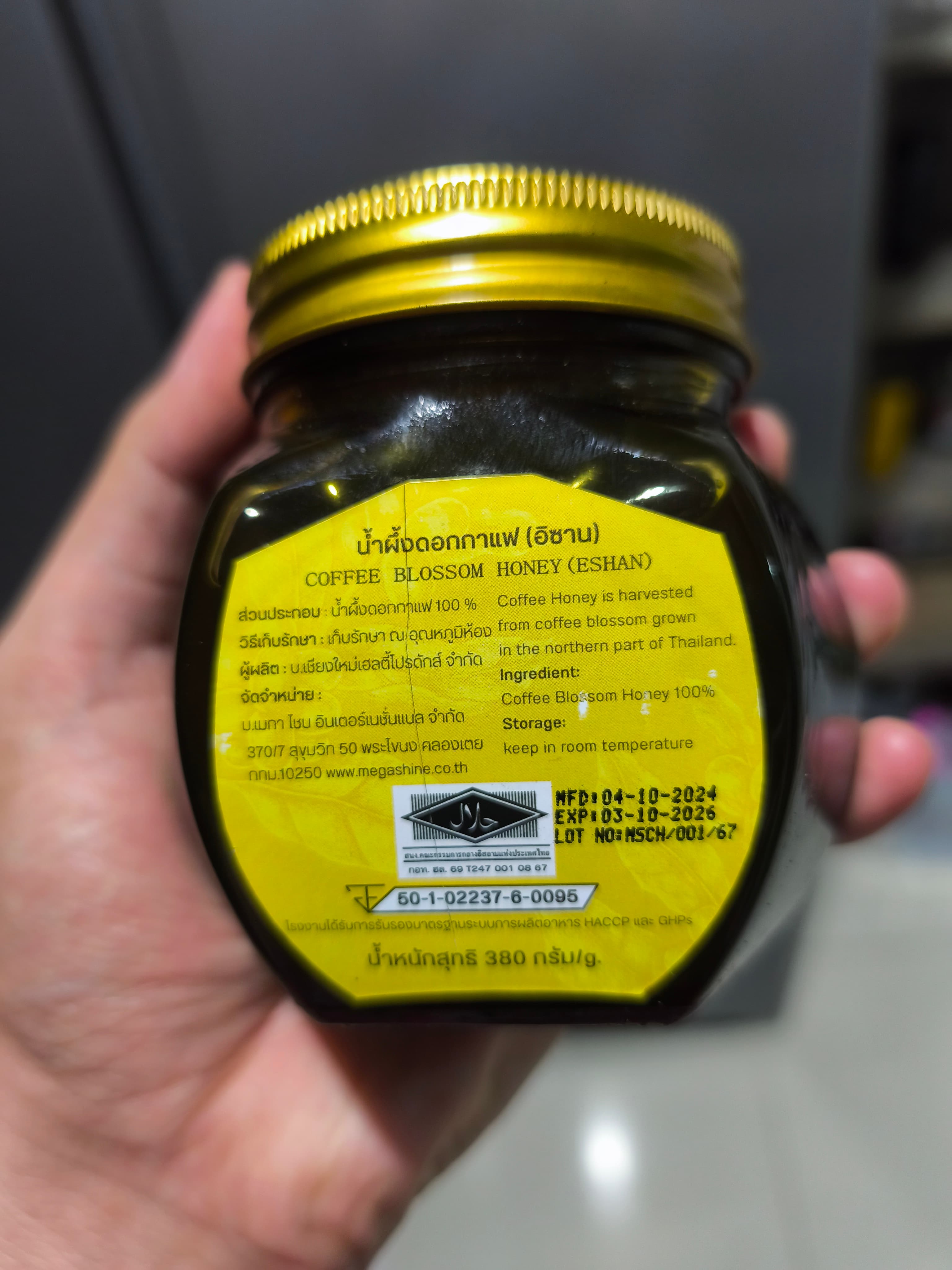
A label contains more than a product name and a photograph. Reading it in a simple order helps you understand what you would receive and what you still need to ask. Begin with the details that identify your item, then connect the remaining information with your intended use. You do not need to read every line at once to make a more informed comparison.
Match the name and version to your selection
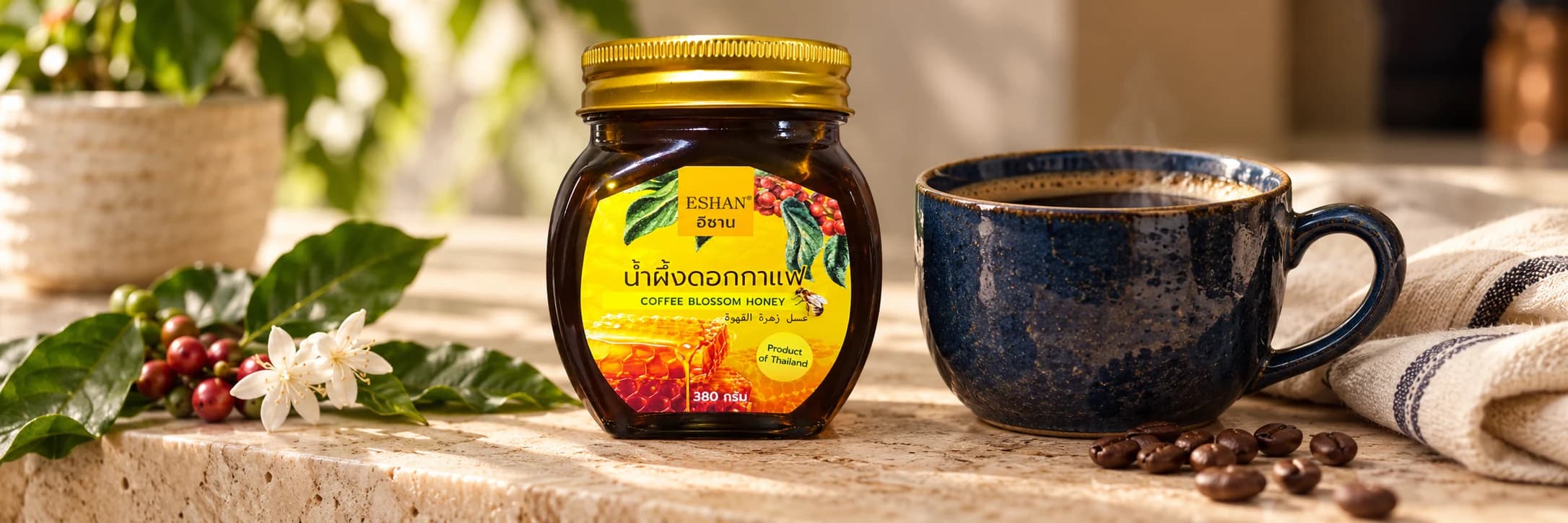
Start with the full name, version, flavour, or format, especially when several packages look alike. Compare the photographed label with the option you are selecting. If multiple sizes are available, do not judge quantity from the photograph alone. Note the name and size together, such as ESHAN coffee blossom honey, 380 g. This gives you a clear reference when asking a question, reviewing your order, or comparing products that use similar packaging.
Understand the quantity and its unit
Check whether the quantity is given in grams, millilitres, pieces, or sets, and how many items the displayed price includes. A box may contain several pieces, while a set may combine different items. For a useful price comparison, use the same unit and comparable products. Compare weight with weight, for example, rather than treating the apparent jar size in a photograph as the amount of product. Clear units make the next step much simpler.
Read the ingredients or material details
For food, look at the ingredients listed on the actual label. For other products, consider the materials and specifications that affect use. Read the wording as stated without adding assumptions: a name that suggests an origin does not automatically explain every ingredient. If a particular detail matters to your choice, find that information directly. Ask the seller when it is missing instead of assuming that the photograph or the product name provides the answer.
Use the instructions to assess everyday fit
Directions and storage information help you prepare for ownership. Consider whether you have a suitable place to keep the product and whether its use fits your routine. If you are buying several items for a shop, read these details before planning storage space. Similar looking products may have different instructions. Refer to the version you are choosing, keep those instructions available, and ask for clarification when a step or requirement is not clear.
Check dates and batch details on the item received
Where manufacture dates, expiry dates, or lot numbers are provided, check the actual packaging when your order arrives. Website photographs illustrate a product; dates shown in them should not be treated as the dates of the item that will be dispatched. If timing matters to your order, particularly a larger purchase, ask about the available stock before confirming. Keep a photograph of the label and lot number if you need to raise a later question.
Turn an unclear detail into a precise question
After reading, try to explain what the product is, how much is included, and how it should be used or stored. Turn any gap into a short question: “How many jars does this price include?” or “Can I see a clearer photograph of the back label?” Include the product name and the detail you need. At VETRA, understandable information is part of helping you choose a quality product that suits your needs.